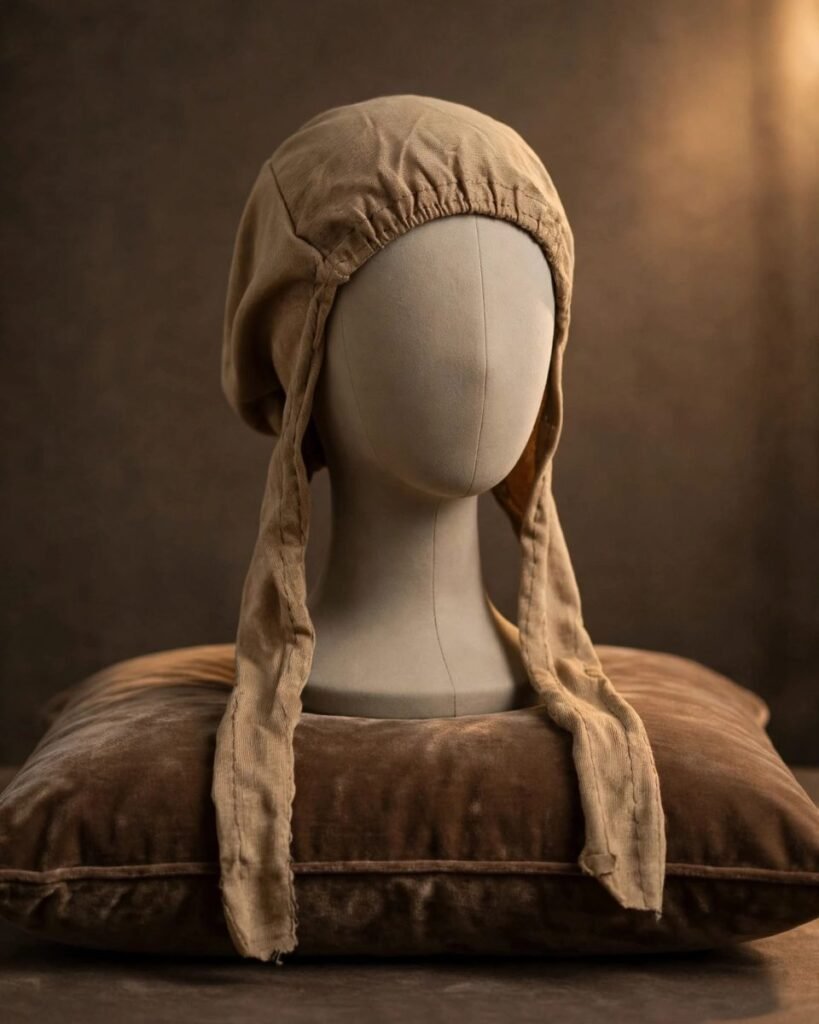
An under-scarf cap is a small piece with a big job: it helps a hijab stay in place, keeps hair covered neatly, and stops the outer wrap from slipping during a long day. Yet many people choose one without thinking about fit, fabric feel, or how it behaves after hours of wear. A cap that feels fine for ten minutes can feel very different after a full day at work, university, or a family event.
The Plain Under Scarf Hijab Cap, priced at Rs 300, is the straightforward everyday option. A plain cap is easy to pair with any hijab colour or print, because it sits underneath and does not compete with the outer wrap. It is a good starting point if you are new to under-scarf caps, or if you want one reliable cap for daily wear. Plain caps also suit busy routines, because there is no extra detail to arrange or adjust when you are getting ready quickly.
The Women’s Fancy Net Design Under-Scarf Hijab Cap, also priced at Rs 300, offers a decorative alternative. A net design can add a subtle detail at the forehead or edge, which some people prefer for gatherings, dinners, and occasions where the front of the hijab is more visible. It can also be a useful choice when you want your hijab style to feel a little more finished without adding a brooch or another accessory. The key is to check that the decorative detail sits comfortably and does not press or shift during wear.
Fit matters more than style alone. A cap that is too tight can cause discomfort and headaches over a long day, while a cap that is too loose may slip and need constant adjustment. When trying a cap, wear it with your usual hijab and move around as you normally would: walk, sit, bend slightly, and check whether the front edge stays where you placed it. A good cap should feel secure without needing frequent fixing. If you wear glasses, also check that the cap and glasses sit comfortably together.
Fabric feel is another factor. Some people prefer a smooth, plain feel for everyday wear, especially in warm weather or for long hours. Others prefer a net design for occasions, when breathability and a lighter feel at the front can matter. There is no single right answer, because comfort depends on your hair, your hijab fabric, and how long you will wear the cap. If you are unsure, starting with a plain cap for daily use and adding a fancy net cap for occasions is a practical approach.
Hijab fabric also affects how well a cap works. A slippery outer wrap may need a cap that helps it grip better, while a textured wrap may stay in place more easily on its own. In both cases, the cap should help the hijab sit neatly at the forehead and around the face. Take a moment to arrange the outer wrap after putting on the cap, rather than rushing, because a neat start usually means fewer adjustments later.
For all-day wear, a few habits help. Put the cap on first, adjust it evenly, and then drape the hijab. Avoid pulling the outer wrap too tightly, because tension can make the cap shift. If you will be out for many hours, choose the cap you have already worn comfortably before, rather than trying a new style for the first time on an important day. Keep a spare cap at home so you always have a clean, ready option.
In short, plain caps suit everyday simplicity and easy matching, while fancy net caps suit occasions where a little extra detail is welcome. Both are priced at Rs 300, so the choice can be based on comfort and occasion rather than cost. The best cap is the one you forget you are wearing.
Internal links: Browse the full range at the shop [the shop link — to be updated after domain purchase]. Related reading: choosing chiffon hijab colours for everyday outfits; no-snag hijab clips that protect chiffon.
Call to action: Visit the shop [the shop link — to be updated after domain purchase] to choose your under-scarf cap, with cash on delivery, delivery in 2–4 days, and a 7-day exchange.

